
How to Help a Restless Child: Practical Parenting Tips
If you’re a parent of a restless child, you know the challenge: endless energy, constant movement, difficulty sitting still, and sometimes, frustration at not being able to keep up. While this can be exhausting, it’s important to remember that restlessness often comes from curiosity, creativity, and a strong desire to explore the world. With the right approach, you can channel your child’s energy into something positive.
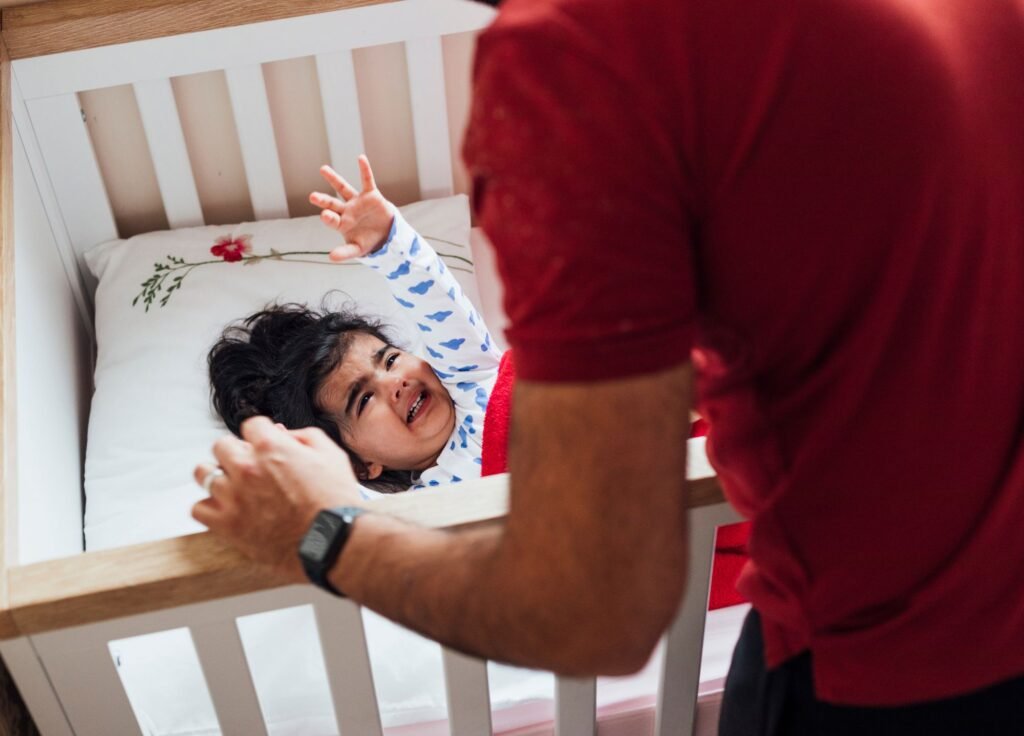
1. Understand the Source of Restlessness
Restlessness isn’t always a problem—it’s a signal. Children may be restless because:
They have extra energy and need more physical activity.
They’re bored or under-stimulated.
They’re experiencing emotional stress or anxiety.
They have a natural temperament that thrives on activity.
👉 Instead of labeling your child as “difficult,” try to observe when and why restlessness occurs.
2. Provide Plenty of Physical Outlets
Restless kids need movement. Activities like sports, dancing, swimming, or even just playing at the park can help them release energy in healthy ways.
👉 Tip: Schedule regular physical breaks during the day, especially if your child spends time in school or on screens.
3. Create Routines and Structure
Restlessness can increase when children don’t know what’s coming next. Predictable routines give them a sense of security and help manage their energy.
👉 Tip: Use visual schedules or simple reminders to keep transitions smooth.
4. Encourage Creative Expression
Sometimes restlessness comes from an active imagination that needs an outlet. Art, music, storytelling, or building projects can help children focus their energy into creation.
👉 Tip: Keep simple creative supplies (like paper, crayons, or Legos) easily available.
5. Teach Calming Techniques
Children also need to learn how to slow down. Teaching calming strategies can help them regulate themselves when needed.
Some techniques include:
Deep breathing exercises.
Gentle stretches or yoga.
Quiet time with a book or calming music.
👉 Tip: Model these practices yourself so your child sees how you manage stress.
6. Balance Boundaries with Empathy
It’s natural to feel frustrated, but harsh discipline rarely works with restless kids. Instead, set clear boundaries while showing understanding.
👉 Example: “I know you want to keep running around, but now it’s homework time. Afterward, we’ll play outside.”
7. Seek Support if Needed
If your child’s restlessness feels overwhelming, disrupts daily life, or affects school performance, it may help to consult a teacher, counselor, or pediatrician. Sometimes restlessness is linked to attention or sensory challenges, and getting professional guidance can make a big difference.
Final Thoughts
A restless child may need different kinds of support at different times. Observe patterns, keep expectations appropriate for their age, and seek qualified advice if difficulties persist or affect everyday life.
Look for Patterns Before Labels
Restlessness can have many everyday causes, including tiredness, hunger, stress, a need for movement, an overstimulating environment, or a routine that does not match the child’s developmental needs. One behavior on its own does not establish a diagnosis.
Notice when the behavior appears, what happened beforehand, how long it lasts, and what helps. A simple pattern log can make conversations with teachers or health professionals more useful. Keep expectations appropriate for the child’s age and offer short instructions, predictable transitions, and regular movement breaks.
When to Seek Additional Support
Consider speaking with a pediatrician or qualified child mental-health professional when restlessness is persistent across settings, causes significant distress, affects learning or relationships, or appears alongside sleep, mood, safety, or developmental concerns. For caregiver communication and family routines, learn about family and parental guidance.
Caregivers may also find our emotional regulation guide for adults useful for their own responses. It is not a child assessment or treatment guide.
Frequently Asked Questions
Does restlessness mean a child has ADHD?
No. Many factors can contribute to restlessness. Only an appropriate qualified professional can assess whether symptoms fit a diagnosis.
What can parents try at home?
Predictable routines, movement breaks, clear one-step instructions, sleep support, and calm transitions may help. Observe the child’s response and adjust without shame or punishment.
When should I ask for professional guidance?
Ask for support when the behavior is persistent, occurs in more than one setting, causes significant difficulty, or raises concerns about the child’s wellbeing or safety.
Need help thinking through family routines and communication? Request a free discovery call. This educational article does not replace pediatric, diagnostic, or emergency care.
Further reading: NHS information on ADHD in children and young people.