
Why Some Couples Don’t Celebrate Anniversaries
Anniversaries are often painted as milestones filled with flowers, dinners, gifts, and perfectly curated social media posts. For many couples, these rituals symbolize love, commitment, and a sense of achievement. But for some, the idea of celebrating an anniversary feels unnecessary, uncomfortable, or even burdensome. And that’s okay.
In our program, we explore the deeper layers of relationships and the ways partners create meaning together. Here are a few reasons why some couples choose not to mark their anniversary in the traditional sense—and what that decision can teach us about love.
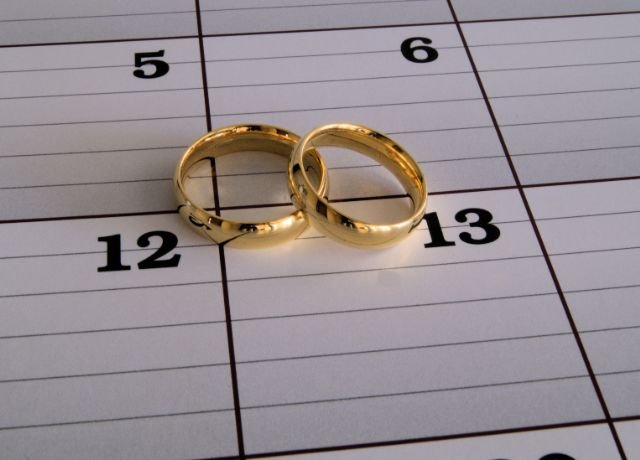
1. We Don’t Need a Date to Prove Our Love
For some couples, love is expressed in everyday gestures rather than grand occasions. Making coffee for each other, checking in after a long day, or sharing laughter in the middle of chaos often feel more authentic than waiting for a single date on the calendar.
2. Pressure and Expectations Take Away the Joy
Anniversaries can come with high expectations: the perfect gift, the fancy dinner, or the elaborate post online. Instead of feeling celebrated, many couples end up stressed or disappointed. Choosing not to celebrate can be a way to release that pressure and focus on the relationship itself.
3. It Doesn’t Define the Success of a Relationship
Not celebrating doesn’t mean the relationship is less important. Some couples feel that their growth and commitment are defined by the way they navigate challenges together—not by how many anniversaries they’ve marked with balloons and cake.
4. Quiet Love Over Public Display
In today’s culture, anniversaries often come with public displays on social media. For private couples, this can feel unnecessary or even intrusive. They may choose to keep their bond quiet and intimate, without an audience.
5. Redefining Traditions
Every couple writes their own story. Some don’t connect with the traditional ways of marking anniversaries, and instead create rituals that feel more meaningful—like taking a walk in nature, revisiting a shared dream, or simply enjoying a calm day together.
What This Choice Teaches Us
Not celebrating an anniversary doesn’t mean neglecting the relationship—it often means redefining what celebration looks like. True connection is built in the small, consistent acts of love, support, and understanding that happen every day.
In our program, we encourage couples to reflect on what feels authentic to them. Whether you love big gestures or quiet moments, the goal is to celebrate your bond in ways that strengthen your connection—not in ways that check off societal boxes.
When Anniversary Expectations Feel Different
Not celebrating an anniversary is not automatically a sign that a relationship is unhealthy. What matters is whether both partners understand the choice and feel respected. Tension often develops when one person experiences the date as meaningful while the other sees it as pressure, obligation, or an artificial measure of commitment.
A calm conversation can help each partner explain what the date represents to them. Focus on the emotional need beneath the preferred ritual: appreciation, reassurance, privacy, shared time, or freedom from expectations. The goal is not to force one tradition, but to create a form of connection that feels sincere to both people.
If the disagreement repeats or opens deeper questions about closeness, resentment, or unmet needs, relationship and couple therapy can provide a structured space to understand the pattern. You may also find the guide to emotional intimacy in relationships useful.
Frequently Asked Questions
Is it unhealthy not to celebrate an anniversary?
No. Couples can build meaningful relationships with different traditions. The important questions are whether the choice is mutual, communicated, and respectful.
What if only one partner wants to celebrate?
Discuss what the anniversary symbolizes for each person and look for a compromise. A private meal, written note, shared activity, or another date may meet the underlying need without creating pressure.
Can couple therapy help with different expectations?
It can help partners understand the emotions behind recurring disagreements and communicate needs more safely. It does not impose one correct way to celebrate.
Need support with a recurring relationship pattern? Request a free discovery call or learn about a 60-minute couple therapy session.